By Pablo Alvarez
Swiss Pinot Noir and the art of collecting
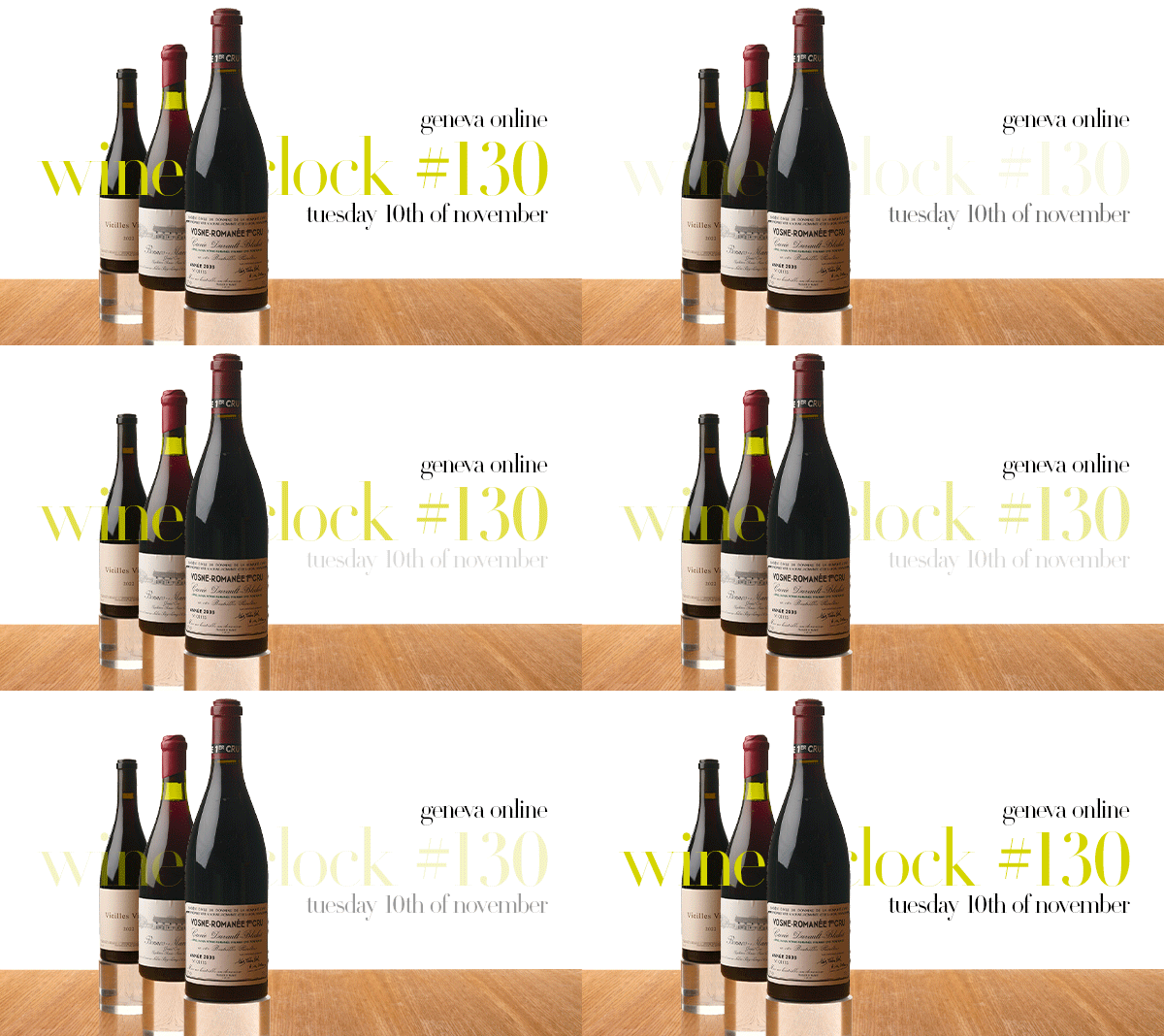
There is a particular pleasure in finding a wine one has long been looking for. Rarer still is the opportunity to encounter that wine within a collection: several vintages, different cuvées, the chance to choose with more than one bottle in mind. Our online "wine o’clock" auction 130 begins with just such a prospect, placing Swiss Pinot Noir at the centre of a catalogue that continues through Burgundy, historic Bordeaux and old spirits.
Domaine de la Rochette in depth
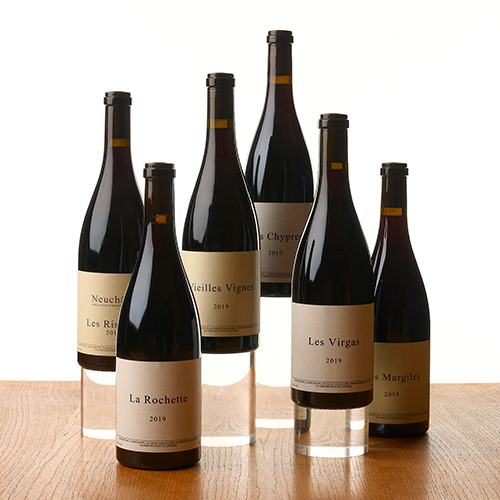
Jacques Tatasciore’s Domaine de la Rochette occupies the opening 39 lots: 86 bottles, seven cuvées and selected vintages from 2010 to 2022. For wines usually encountered in small allocations, the breadth matters. It allows the collector to explore a body of work rather than simply secure a name.
At Cressier, on the limestone slopes of Neuchâtel, Tatasciore has pursued Pinot Noir with an exacting attention to vine selection and the detail of each parcel. His wines stand among Switzerland’s finest, with a depth of ambition that makes comparison with great Burgundy entirely appropriate. Their scarcity is familiar to admirers; this selection offers an uncommon chance to look closely at the distinctions within the domaine.
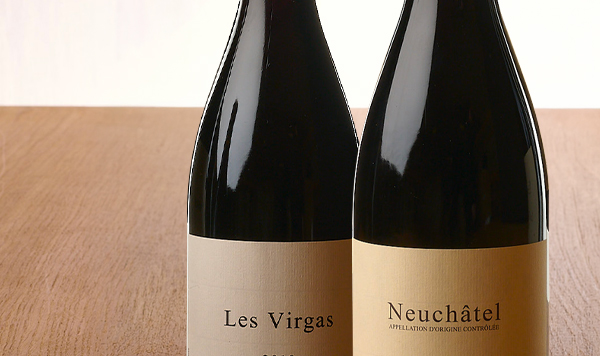
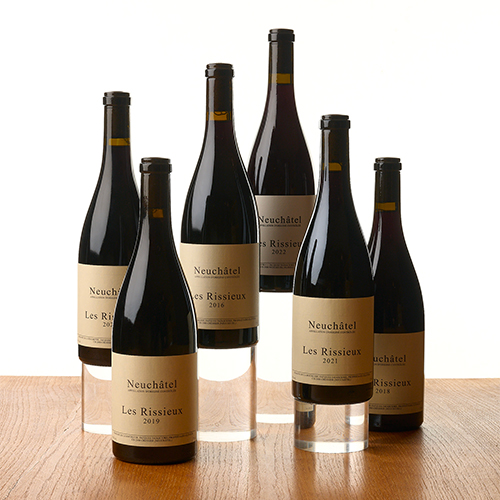
Les Margiles 2018–2022, lot 22, and Les Virgas 2018–2022, lot 34, each form a five-vintage vertical. Les Rissieux, lot 27, brings together 2016 and 2018–2022, with 2017 absent. At lot 39, the perspective changes: six cuvées from 2019 invite comparison within a single harvest. Les Chanez 2010, lot 11, provides an earlier point of reference, while individual bottles throughout the selection allow a considered addition to an existing cellar. Gantenbein 2019–2021, lot 40, completes the Swiss opening.
Rousseau Roumier and Domaine de la Romanée Conti
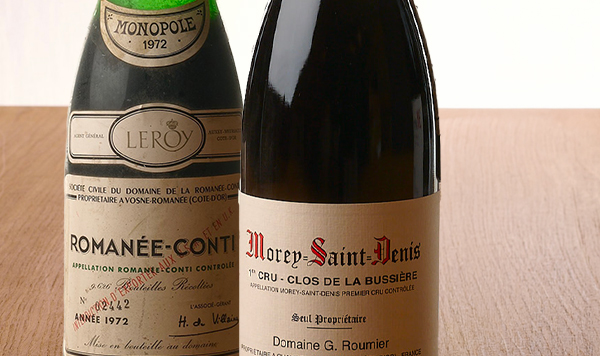
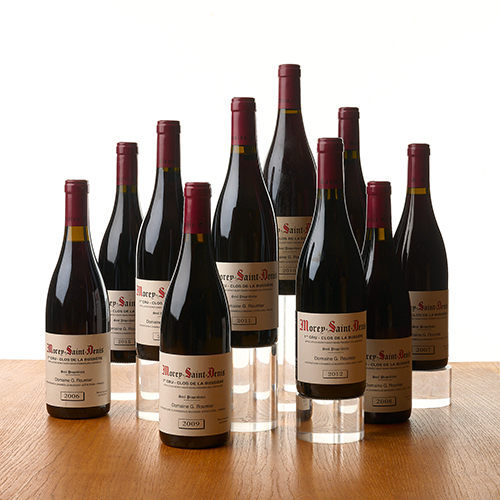
Rousseau’s Clos Saint-Jacques 2019, lot 50, anchors a Burgundy selection that rewards both focused collecting and a longer view. Roumier provides the latter with a ten-bottle Clos de la Bussière vertical, lot 61: every vintage from 2006 to 2015, with no year missing.
A walled premier cru monopole in southern Morey-Saint-Denis, Clos de la Bussière occupies an east-facing site with iron-rich clay over rocky subsoil. Its firmly structured character gives the vertical a clear purpose: one vineyard followed through ten successive seasons. The domaine’s Chambolle-Musigny 2022 and 2020, and Les Cras 2020, offer further points of comparison.
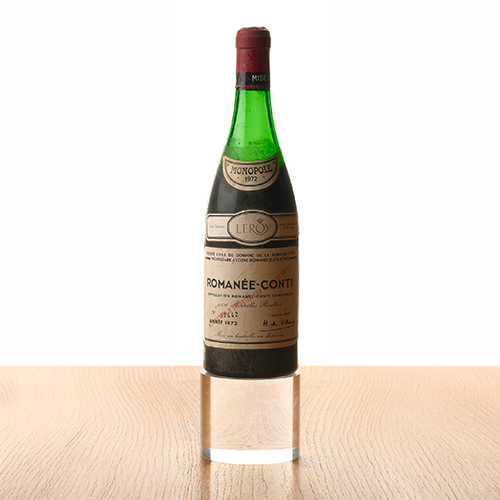
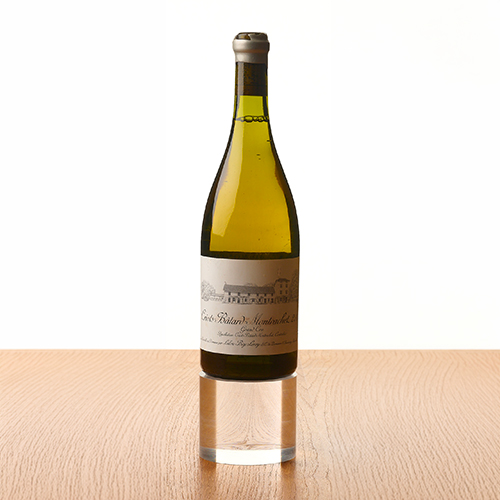
DRC adds a more historical dimension, with Romanée-Conti 1972 at lot 80 and La Tâche 1992 at lot 77, alongside Richebourg 1967 and 2014. Each is a single-bottle lot, allowing collectors to concentrate on a particular year or vineyard. D’Auvenay’s Chevalier-Montrachet 1997 and Criots-Bâtard-Montrachet 2000 extend the selection into white Burgundy.
Bordeaux across generations
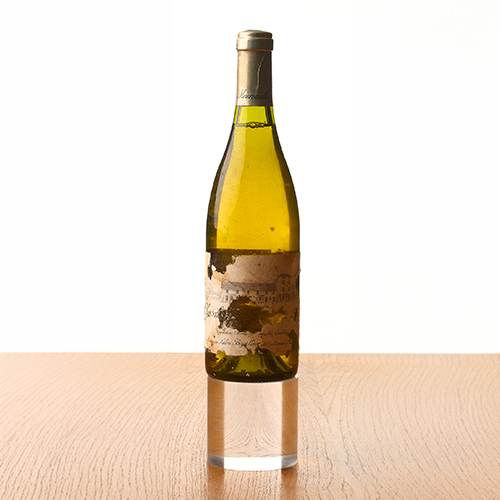
Château Margaux 1924, lot 188, carries more than a century of history. The château links the vintage to the First Growths’ early decision to bottle their entire harvest at the estates, before the practice became firmly established. The bottle’s interest is historical as well as vinous, and its individual condition deserves close attention.
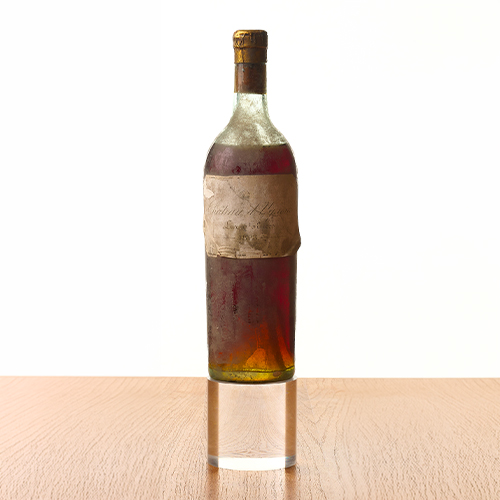
Yquem reaches further back still. The 1893 at lot 252 is joined by 1928 and 1939, at lots 251 and 250: three surviving bottles from very different periods of the estate’s long history. Their attraction lies in that connection to the past, with the condition report and photographs remaining essential to any considered choice.
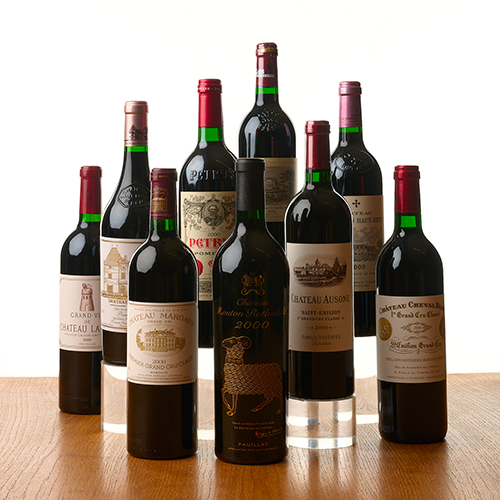
Petrus 2003 appears in three individual lots, 226–228. The assortments take another approach to Bordeaux. At lot 238, twelve bottles from 1999 comprise two each of Margaux, Cheval Blanc, Lafite Rothschild, Latour, Mouton Rothschild and Petrus. At lot 244, Duclot Collection 2000 unites nine properties, adding Haut-Brion, La Mission Haut-Brion and Ausone to that group, with a single bottle of each. A vintage is gathered into one collection, ready to be explored across estates and occasions. Further Duclot cases from 2006 and 2011 broaden the choice.
Spirits with a history of their own
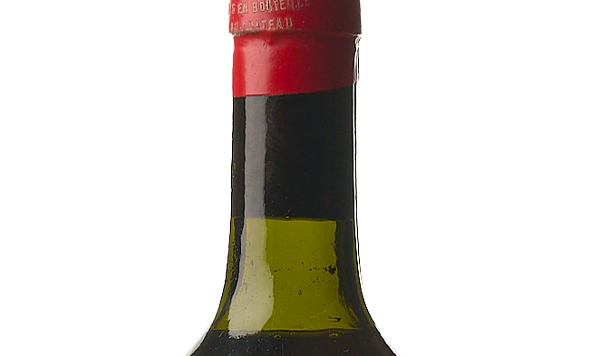
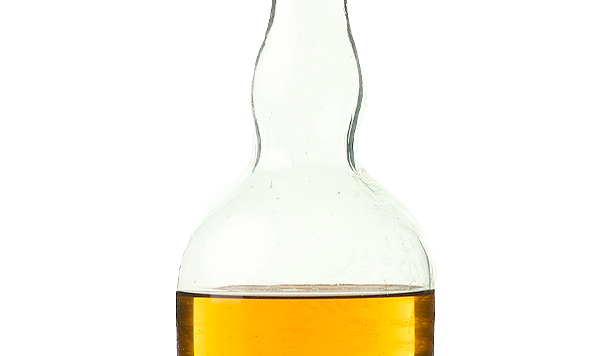
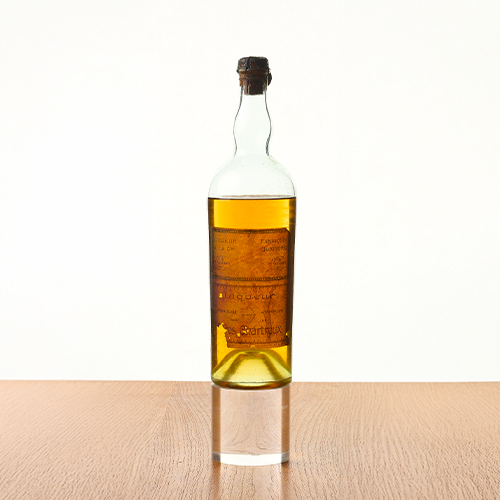
The spirits chapter opens with Chartreuse Verte Tarragone Export, lot 303, a one-litre bottle catalogued as 1912–1920. Following the monks’ expulsion from France in 1903, production began in Tarragona in 1904. This bottle belongs to the early years of that Spanish history. Its presentation and condition are integral to its interest; the catalogue records seepage and a low level, to be considered alongside the photographs.
Glen Grant 1936, with a declared age of 50 years, follows at lot 304. The Glenlivet selection spans dates from 1938 to 1956, while Moon Import contributes numbered releases, including Linkwood 1979 in the Oak Cask series and Glen Garioch 1990 in The Last Fetish. For the spirits collector, the interest lies in the precise bottling: the distillery, the date, the importer and the individual presentation.
Highlights
The sale
Our online "wine o’clock" auction 130 invites collectors to move between these different scales of time: five years of a Swiss cuvée, a decade of Roumier, a Bordeaux harvest gathered across great estates, or a single bottle whose story reaches back more than a century. We look forward to helping you explore the selection.